Sharing a walk-in closet can seem challenging. However, efficient organization is essential for harmony. Expert organizer Marie Kondo emphasizes, "A tidy space fosters a tidy mind." This wisdom is especially relevant when it comes to how to organize a walk-in closet for two people.
To achieve an effective shared closet, consider both individuals' needs and styles. Use compartments to separate clothing items. Install shelves at varying heights for accessibility. These elements allow personalized storage solutions while maximizing space. Think about color coordination to blend clothing styles together. A visually appealing closet can make daily routines more enjoyable.
While it may be tempting to focus solely on aesthetics, functionality should not be overlooked. Reflect on shared habits and preferences. This can lead to compromises, ensuring both individuals feel at home in their shared space. Look for ways to maximize vertical space and consider dual-hanging rods. Exploring these solutions requires patience and open communication. Be prepared to reassess the setup as styles and needs change.
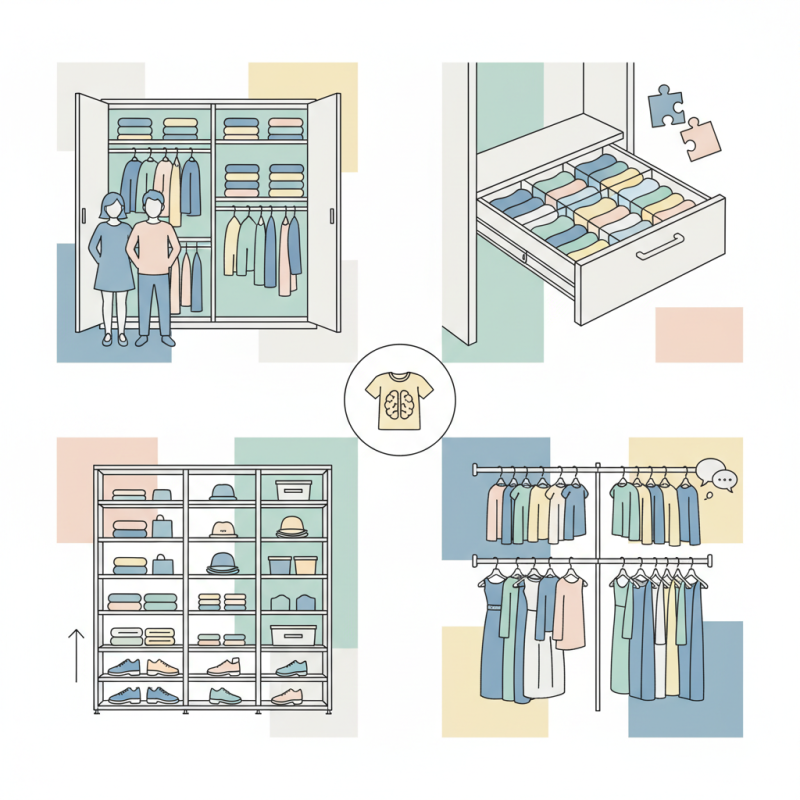
When sharing a walk-in closet, assessing space requirements is crucial for functionality. Each person should have designated areas. Begin by measuring the closet dimensions. Knowing the width and depth helps plan how to allocate space efficiently.
Consider dividing the closet into sections. Utilize hanging rods for clothes. Shelves can store shoes and accessories. Each section should reflect personal preferences. One person may prefer more hanging space, while another may need more shelves. Coordinating styles can make the closet visually appealing.
Reflect on storage needs. Often, shared closets lead to clutter. It’s essential to regularly reassess what you need. Unused items should go. An organized closet fosters harmony between users. Small adjustments can lead to significant improvements. Remember, efficient use of space requires ongoing communication about needs and preferences.
Sharing a walk-in closet can be a challenge, especially when it comes to organizing clothing and accessories fairly. Both individuals need to agree on a system that respects their personal tastes and space. Start by designating specific areas for each person. The use of drawer dividers and storage bins can help keep items separate. Labels can be an excellent way to maintain clarity. It’s a small touch that makes a big difference.
Communication is essential. Regular check-ins about the state of the closet can prevent misunderstandings. Discuss what works and what doesn’t. Perhaps one person has a lot of shoes, while the other prefers scarves. Acknowledge these differences. Creating a visual layout can help in planning the space. Sometimes, it might mean compromising on certain items or styles.
However, this setup won’t be perfect. Some items may overlap, causing disputes. It’s important to reflect on these issues together. Finding solutions that suit both parties can enhance the experience. Consistent tidying will require both individuals to be accountable. Regularly revisiting the organization system ensures it remains effective and fair for both.
Sharing a walk-in closet can be a challenge, especially for two people. Both individuals need space while maximizing storage. According to a survey by the National Association of Home Builders, 60% of homeowners prioritize closet space when purchasing a home. This highlights the need for an efficient storage solution.
One effective method involves using adjustable shelving systems. Shelves can be tailored to fit various items, from shoes to bags. Bins also serve a dual purpose: they organize smaller accessories while keeping the space tidy. Research shows that bins can increase storage by 30% in small areas. Hanging options, like multifunctional racks, are essential too. They allow for both hanging clothes and displaying shoes.
It's crucial to regularly assess your setup. Items can accumulate quickly, making organization harder. You might find clothes you haven't worn in months. Regular decluttering can improve your closet’s efficiency. By addressing these issues, you can create a functional space that works for both individuals.
Designating personal areas within a shared walk-in closet is crucial for fostering harmony. Research indicates that 70% of couples find shared spaces challenging due to clutter and mismanagement. By creating defined zones, individuals can minimize conflicts and maximize efficiency in the space.
Begin by assessing the available space and dividing it based on personal needs. For example, one person can take the left side for hanging clothes, while the right side is for shoes and accessories. Use dividers or furniture to mark boundaries. Visual cues help in maintaining organization. A study found that 65% of users benefit from visual systems, enhancing their storage experience.
Consider adding personalized storage solutions, such as labeled bins for easy access. These small touches make a significant difference. However, be aware that communication is key. If one party feels their space is encroached upon, it can lead to frustration. Regularly evaluating what's working and what isn't helps in making necessary adjustments. In essence, a little awareness can ease the sharing process.
Sharing a walk-in closet can be challenging, especially when it comes to organization. A regular maintenance schedule is essential. This helps both users keep track of their belongings and maintain harmony in the shared space.
Tips for a successful schedule include setting a specific day each month for organizing. Divide tasks equally between users. This creates a sense of shared responsibility and decreases misunderstandings. Try to declutter monthly. If items haven't been used in a while, consider donating or discarding them. This keeps the closet fresh and prevents overstuffing.
Remember to communicate openly about what works. If one person feels cramped, adjustments might be needed. Flexibility is key. Create zones in the closet for each person. This visual separation can help avoid disputes. Keeping a list of closet inventory can also improve efficiency. Regularly update this list to reflect any changes.
: Use adjustable shelving and bins to organize items. They help keep the space tidy and functional.
Defined zones minimize conflicts and increase efficiency. It helps each person know where their items belong.
Bins are great for organizing smaller accessories. They can increase storage by 30% in tight spaces.
Regularly assessing your closet is crucial. It helps remove unused items and keeps the space organized.
Consider adding visual cues, like labels or dividers. This helps in maintaining organization and reduces clutter.
Discuss your needs regularly with your partner. Awareness of each other's space helps prevent frustration.
This can lead to conflict and frustration. Clear boundaries and constant communication are essential.
Personalized bins and labels enhance access and organization. Small details can make a big difference in shared spaces.
Sharing a walk-in closet can be a challenge, but with the right strategies, it can be a functional and organized space for two. To learn how to organize a walk-in closet for two people effectively, start by assessing the space requirements for both individuals, ensuring that there’s enough room for their clothing and accessories. Establishing a fair organization system is crucial; this may include designated sections for each person’s items to minimize confusion.
Maximizing storage solutions like shelving, bins, and hanging options can further enhance the functionality of the closet. It's also helpful to create personal zones within the space, giving each user a specific area to call their own. Finally, implementing a regular maintenance schedule will help keep the closet organized, making it easier for both people to access and maintain their clothing and belongings. By following these steps, sharing a walk-in closet can become a seamless experience for everyone involved.

URneat Furnish