How to Prevent Moldy Shoes in Storage Boxes?

Time:2026-04-14 Author:Madeline
0%

Moldy shoes can ruin an entire season's worth of footwear. Many people wonder, "Why do my shoes get moldy in storage boxes?" Understanding the root causes is the first step to prevention. Mold thrives in dark, humid environments, which can easily occur in poorly ventilated storage boxes.

When placed in confined spaces, shoes often retain moisture from previous wear, creating an ideal breeding ground for mold. It's not just about keeping shoes clean; it's about proactivity in proper storage. Using breathable materials for storage and ensuring a dry environment can make all the difference.

Reflecting on personal experiences, we find that often overlooked mistakes lead to mold growth. Ignoring the signs of dampness or not regularly checking on stored items can allow problems to escalate quickly. By taking simple preventive measures, you can keep your shoe collection in pristine condition and avoid the disappointment mold brings.
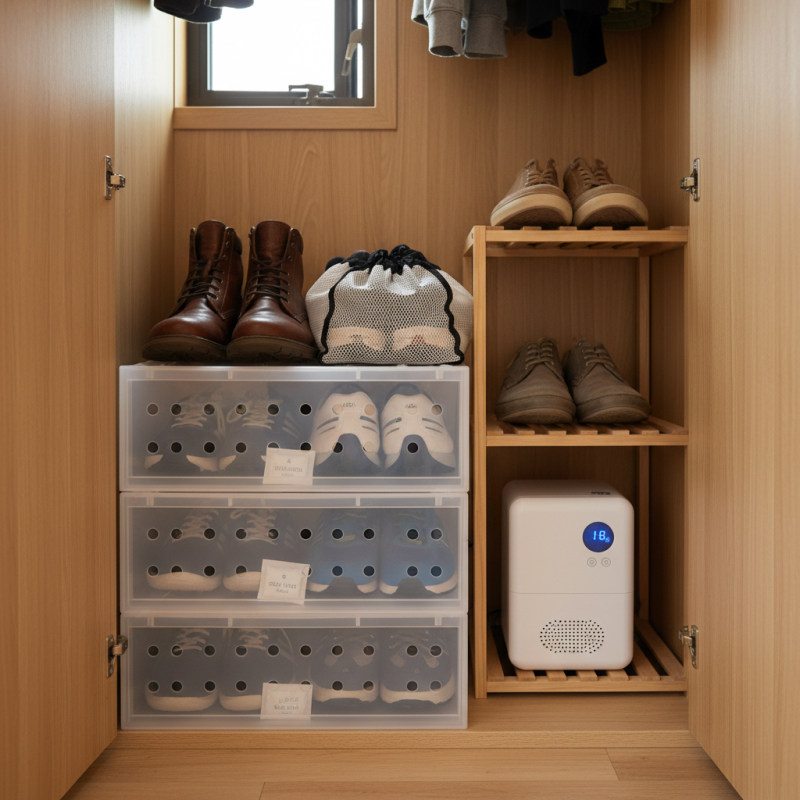
How to Prevent Moldy Shoes in Storage Boxes?

Understanding Mold Growth in Stored Shoes

Mold growth in stored shoes can be a frustrating problem. A study by the Environmental Protection Agency indicates that mold thrives in damp, dark spaces. Shoes, made from various materials, can absorb moisture. When placed in storage boxes, especially those without proper ventilation, the risk of mold increases significantly.

Humidity is a key factor in mold proliferation. The ideal humidity level for storage should be below 60%. Unfortunately, many storage environments exceed this threshold, allowing mold spores to settle. A report from the National Oceanic and Atmospheric Administration shows that even brief exposure to elevated humidity can lead to mold formation. To combat this, consider using silica gel packets or moisture-absorbing products to maintain a drier environment.

It's crucial to clean shoes before storing them. Even minor dirt or stains can contribute to mold growth. A survey conducted by footwear experts found that 30% of respondents stored unclean shoes, unknowingly fostering a mold-friendly habitat. Regular checks during the storage period can also help identify any moisture issues early on. Addressing these problems promptly can prevent extensive damage to your beloved footwear.

Choosing the Right Storage Boxes for Shoes

Choosing the right storage boxes for shoes is crucial to prevent mold and mildew growth. Humidity is a primary factor in mold development, with studies showing that mold thrives in conditions with over 60% relative humidity. When selecting storage boxes, opt for those made from breathable materials. Clear plastic options allow air circulation while preventing excess moisture buildup.

Additionally, making sure your storage environment is controlled is just as important. Researchers found that temperature fluctuations can also encourage mold growth. Keep shoes in a dry, cool area, ideally below 70°F. Adding silica gel packets to your storage boxes can help absorb humidity. This small step can significantly enhance your shoe storage conditions.

Pay attention to the design of your storage boxes. Boxes that are completely sealed may trap moisture, creating the perfect environment for mold. Consider boxes with ventilation or specialized features that wick away moisture. Remember, a proactive approach to mold prevention begins with the choices you make for storage. Simple changes can lead to significant improvements in shoe preservation.

How to Prevent Moldy Shoes in Storage Boxes? - Choosing the Right Storage Boxes for Shoes

Storage Box Type Material Airflow Moisture Resistance Mold Resistance Rating
Plastic Containers Polypropylene Limited Moderate 3/5
Fabric Bags Cotton High Low 2/5
Clear Shoe Boxes Acrylic Excellent High 5/5
Wooden Boxes Plywood Moderate Moderate 3/5
Ventilated Bins Plastic Excellent High 4/5

Essential Steps to Clean Shoes Before Storage

Cleaning your shoes properly before storing them can significantly reduce the risk of mold. Start by removing dirt and debris. Use a soft brush or cloth to clear away any particles. Pay extra attention to the soles, as grime can harbor moisture. After this, wipe your shoes with a damp cloth. Ensure they are well-dried before putting them away.

To protect your shoes, consider using essential oils. A few drops of tea tree oil can help inhibit mold growth. You might also use silica gel packets. These absorb moisture effectively. Placing them in storage boxes can keep humidity levels low.

Before you store your shoes, don't forget to air them out. Leaving them in a well-ventilated area for a few hours can make a big difference. Ensure the shoes are completely dry. Remember, even minor dampness can lead to issues. Inspect your shoes periodically while in storage. This can help catch any potential mold growth early.

Humidity Control and Its Importance in Storage

Humidity control is crucial in preventing moldy shoes in storage boxes. Many shoe enthusiasts overlook the impact of humidity. Research shows that relative humidity above 60% can foster mold growth on various materials, including leather and fabric. A study conducted by the American Society of Home Inspectors highlighted that mold can begin to develop within 24 to 48 hours in humid conditions.

To effectively control humidity, it's essential to choose the right storage environment. Storing shoes in a cool, dry place is vital. Use silica gel packets in storage boxes to absorb excess moisture. This simple step can reduce relative humidity significantly. Additionally, consider using a dehumidifier if your storage area is prone to high humidity levels. This not only protects shoes but also enhances air quality.

Be aware that even with precautions, factors like seasonal changes can affect humidity levels. Keeping an eye on local weather conditions is important. Regularly check the moisture levels using a hygrometer. This simple tool can help you monitor the environment and avoid mold issues. Storing shoes should be done thoughtfully, as neglecting humidity control can lead to expensive damage and loss.

Regular Maintenance Tips for Stored Shoes

Moldy shoes can be a nuisance, particularly when stored in boxes. To keep your shoes in excellent condition, regular maintenance is crucial. Clean and dry your shoes before storage. Any moisture can create a perfect breeding ground for mold. Air them out for a few hours after wearing, especially if they're sweaty or damp.

Consider using silica gel packets or activated charcoal in your storage boxes. These absorb excess moisture, keeping the environment dry. Replace them every few months for maximum effectiveness. Remember, too much air-tight sealing can trap moisture. Allow for some airflow while preventing dust accumulation.

Inspect stored shoes regularly. Look for signs of mold or unusual odors. If you find any, clean them immediately. A simple solution of water and vinegar can help remove mildew. Always store shoes in a cool, dry place to enhance their longevity. Regular care prevents moldy shoes and keeps them fresh for your next wear.

How to Prevent Moldy Shoes in Storage Boxes?

FAQS

: Why does mold grow on stored shoes?

: Mold thrives in damp, dark places. Shoes absorb moisture, especially in poor ventilation.

What humidity level is safe for storing shoes?

Ideal humidity should be below 60%. Higher humidity increases mold risk significantly.

How does cleaning affect mold growth?

Dirty shoes can foster mold. Even minor stains make shoes a suitable environment for mold.

What can I do to control humidity in storage?

Use silica gel packets to absorb moisture. A dehumidifier also helps maintain a dry environment.

How can seasonal changes affect shoe storage?

Seasonal changes can raise humidity levels. Regularly check local weather conditions to anticipate moisture issues.

How often should I inspect my stored shoes?

Regular inspections are important. Check for mold signs or strange odors at least every few months.

What should I do if I find mold on my shoes?

Clean them immediately with a water and vinegar solution. Prompt action can prevent further damage.

Can airtight storage lead to mold growth?

Yes, too much airtight sealing can trap moisture. Allow some airflow while keeping dust out.

How long does it take for mold to develop in humid conditions?

Mold can start developing within 24 to 48 hours in high humidity.

What maintenance steps should I take before storing shoes?

Clean and dry shoes thoroughly. Air them out, especially if they are damp or sweaty.

Conclusion

Moldy shoes can be a frustrating issue when using storage boxes, leading many to wonder, "Why do my shoes get moldy in storage boxes?" To prevent mold growth, it's essential to understand the conditions that promote it, such as excess moisture and inadequate airflow. Choosing the right storage boxes, ideally those that allow for ventilation and reduce humidity, is crucial.

Before storing shoes, proper cleaning is necessary to remove dirt and moisture, which can contribute to mold development. Controlling humidity levels within the storage environment is equally important. Utilizing desiccants or humidity-absorbing materials can help maintain an ideal environment. Additionally, regular maintenance checks are vital. Inspecting the shoes periodically and addressing any potential issues promptly can ensure they stay mold-free while stored. Overall, following these steps can protect your shoes and keep them in excellent condition.

Madeline

Madeline

Madeline is a dedicated marketing professional with a wealth of expertise in our company's core offerings. With a keen understanding of the industry, she brings a unique perspective to her role, consistently delivering high-quality content that highlights the superior aspects of our products. As......