Sharing a walk-in closet can feel efficient, but poor planning quickly creates crowded shelves and daily arguments. This guide explores the top 10 ways to organize a walk-in closet for two people without wasting useful space. The goal is not a showroom-perfect room. It is a practical system that both people can maintain.
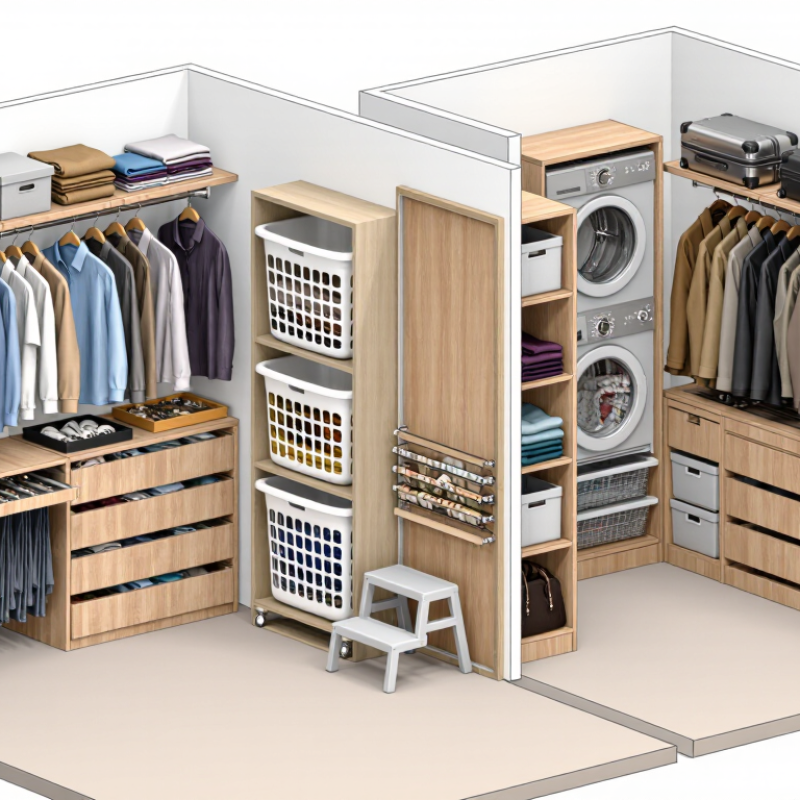
The process begins with accurate measurements, honest sorting, and a clear division of space. Measure hanging rods, shelves, corners, and walking paths before buying storage products. Separate clothing by owner, season, and frequency of use. Daily items should stay near eye level, while luggage and winter coats can occupy higher shelves. Matching hangers may improve visual order, but they cannot solve overcrowding. Each person also needs a small personal zone for watches, bags, or other accessories. Labels can help, especially when shelves look similar in dim lighting. A laundry basket with two sections may prevent clean and worn clothing from mixing. Strong shelving, safe step stools, and stable drawer units support a reliable setup. These details reflect common professional organizing practices, but every household has different habits.
Some systems will fail at first. That is normal. One person may need more hanging space, while the other prefers folded clothing. Review the closet after two weeks and adjust the layout. A beautiful plan is useless if nobody follows it. The best arrangement feels calm, visible, and easy to reset after a busy morning.
Top 10 Ways to Organize a Walk In Closet for Two People
Assess the closet before buying storage. Measure width, depth, ceiling height, door swing, and usable corners. Photograph the space in daylight. Then record each person’s clothing, shoes, accessories, and seasonal items. The 2024 National Association of Home Builders report lists a primary-bedroom walk-in closet as essential or desirable for 60% of surveyed buyers. That demand makes planning important, not optional.
Separate shared habits from personal preferences. One person may fold knitwear, while the other hangs almost everything. Create zones for hanging clothes, folded items, shoes, laundry, and daily accessories. Give each person a clearly labeled area, but avoid forcing an exact 50/50 split. Clothing volume matters more than fairness on paper. Use double-hanging rods for shorter garments, high shelves for luggage, and shallow bins for scarves. Keep everyday items between waist and eye level. Store rarely used pieces higher.
Tips: Track what each person wears for two weeks. This reveals real habits better than memory. Keep one empty shelf for future purchases or changing seasons. Review the closet every three months. A perfect system may still fail if laundry piles up on the floor. Leave a small landing zone near the entrance for worn-but-rewearable clothes. Use matching hangers only if they improve visibility; uniformity alone does not create order. The EPA reports that millions of tons of textile waste enter the U.S. waste stream annually, so a seasonal review can also prevent needless accumulation.
Top 10 Ways to Organize a Walk In Closet for Two People
Divide the Closet Into Balanced Personal Zones
A shared walk-in closet works better when each person has a clearly marked personal zone. Measure the usable wall space, hanging rods, drawers, and shelves before assigning areas. Equal width sounds fair, but equal storage needs may not be realistic. One person may own more jackets, while the other needs extra shoe storage. Balance the function, not only the measurements.
Give each person matching hanging sections for shirts, trousers, and dresses. Keep daily clothing between waist and eye level. Place seasonal items on higher shelves. Add separate drawers for undergarments, accessories, and folded clothing. A narrow shared section can hold laundry baskets, spare hangers, or garment-care tools. Leave about two inches between bulky garments. It prevents crowded hangers and makes missing items easier to notice.
In my own closet planning, our first layout looked perfectly symmetrical. It was inconvenient. One side held unused shelves, while the other became overloaded within weeks. We adjusted the zones after tracking our daily habits. That small review made the arrangement more reliable. Use simple labels during the trial period, even if the final closet looks more polished without them. Keep a small shared area, but define its limits. Otherwise, it quietly becomes everyone’s overflow space.4
Divide the closet into balanced personal zones, then use shared areas for footwear, accessories, laundry, and fitting-room essentials. The chart shows practical residential planning dimensions in inches.
A balanced layout gives each person comparable hanging and folded-storage capacity. Double-hang rods maximize vertical space, while long-hang sections accommodate dresses and coats. Keep the central aisle about 36 inches wide, and reserve a small shared zone for shoes, accessories, mirrors, and laundry.
A shared closet works best when both people can reach the daily essentials. Install two hanging zones at equal heights, then divide them by clothing type rather than ownership. Place shirts and jackets at eye level. Keep trousers and longer garments below or in a separate full-height section. This prevents one person’s clothes from blocking the other’s view. Add adjustable shelves for folded sweaters, jeans, and sleepwear. Each shelf should hold one category only. Clear labels help, but visual consistency matters more.
The U.S. Environmental Protection Agency reported that Americans generated about 17 million tons of textile waste in 2018, with roughly 11.3 million tons sent to landfills. A better closet system can reduce forgotten purchases. Keep frequently worn items in front. Store seasonal clothing in higher compartments. Use slim dividers for folded stacks, because tall piles usually collapse. They look tidy for a week. Then they fail.
The WRAP Valuing Our Clothes report found that extending clothing life by nine months can reduce carbon, water, and waste footprints by about 20 percent. Create a small repair and review zone near the closet entrance. One person can place uncertain items there. Review them together every month. Do not force perfect symmetry. Different wardrobes need different storage heights. After two weeks, measure what remains untouched and adjust the shelves. A shared system should change with real habits, not an ideal floor plan.
A shared walk-in closet works best when it separates daily routines, not just clothing. Give each person a clearly measured zone, including shelves, hanging space, and one accessible drawer. Keep shoes near the entrance on adjustable racks, with everyday pairs at eye level. Store formal or rarely worn shoes higher up. Small trays can contain watches, belts, scarves, and hair accessories, preventing them from disappearing into crowded drawers.
Laundry needs its own visible station. Use two ventilated hampers for lights and darks, plus a small basket for items needing repair. The American Cleaning Institute’s 2023 National Cleaning Survey reported that laundry remains one of the most frequent household chores, so reducing sorting time matters. A folding surface above the hampers can also prevent clean clothes from becoming a second floor.
Seasonal belongings should move to labeled, breathable containers on the highest shelves. Keep a simple inventory on the closet door. The U.S. Environmental Protection Agency reported that Americans generated about 17 million tons of textile waste in 2018, with most going to landfills. That figure supports a quarterly review: donate, repair, or recycle pieces neither person wears. My practical mistake was storing too many “future” outfits. Leave some empty space. Shared storage needs flexibility, and perfect symmetry rarely survives real laundry days.
| No. | Organization Method | Primary Area | Recommended Setup for Two People | Practical Capacity or Guideline | Maintenance Frequency |
|---|---|---|---|---|---|
| 1 | Assign Equal Personal Zones | Hanging and shelving | Divide the closet into two clearly labeled sections, giving each person dedicated hanging space, shelves, and drawers. | Keep frequently used clothing between waist and eye level for easier access. | Review monthly |
| 2 | Arrange Clothing by Category and Color | Hanging rods | Group shirts, trousers, dresses, jackets, and other garments before arranging each group from light to dark. | Leave a small amount of open rod space so new items do not create overcrowding. | Reset after laundry days |
| 3 | Use a Dedicated Shoe System | Floor and lower shelves | Separate everyday, formal, athletic, and seasonal footwear. Store pairs together with the toes facing outward. | Allow approximately 20–25 cm of width per pair, depending on shoe size and style. | Wipe and reassess monthly |
| 4 | Create an Accessories Station | Drawers and wall space | Use shallow drawer dividers for jewelry and watches, hooks for belts and scarves, and small bins for hair accessories. | Keep everyday accessories within arm’s reach and special-use items in labeled compartments. | Tidy weekly |
| 5 | Install a Shared Laundry Zone | Hamper area | Use separate sections or baskets for lights, darks, delicate items, and clothes that can be worn again. | A two- or three-section hamper helps sort clothing before washing. | Process at least once weekly |
| 6 | Store Seasonal Belongings Up High | Top shelves | Place winter coats, swimwear, holiday clothing, and rarely used items in breathable, labeled containers. | Use matching containers with visible labels and avoid overfilling them. | Rotate twice a year |
| 7 | Fold Knitwear and Casual Clothes Vertically | Drawers and cubbies | Fold sweaters, T-shirts, leggings, and jeans vertically so each item remains visible instead of being buried in a stack. | Limit each drawer to one clothing category to reduce mixing and overstuffing. | Refold as needed |
| 8 | Add a Shared Mirror and Dressing Surface | Open wall or central area | Reserve one uncluttered area for a full-length mirror, a small bench, and a tray for items used during dressing. | Keep walking pathways clear; a passage of about 75–90 cm is generally comfortable. | Clear daily |
| 9 | Use Labels and a Return-to-Home Rule | All storage areas | Label bins and shelves, and make it a shared habit to return clothing and accessories to their assigned locations. | Labels are especially useful for top shelves, seasonal containers, and shared storage. | Maintain every day |
| 10 | Set Up a Donation and Repair Basket | Accessible lower shelf | Keep one container for items to donate and another for clothing needing mending, cleaning, or alterations. | Empty the donation container when full and resolve repair items during a monthly review. | Review monthly |
A shared walk-in closet works better when every item has a visible home.
Divide the space by person, then separate daily clothes, seasonal pieces, shoes, and accessories. Keep frequently worn items between waist and eye level. Store rarely used luggage on higher shelves. Our first arrangement failed because we created equal sections, not useful sections.
Use clear labels on bins, drawers, and shelf edges. Labels should describe contents, such as “winter scarves” or “work trousers,” rather than vague terms. Add a small “return here” label for shared items.
According to the U.S. Environmental Protection Agency’s 2022 Facts and Figures report, Americans generated about 4.9 pounds of municipal solid waste per person daily. Better labeling can reduce duplicate purchases and careless disposal. Still, labels are not magic. They become clutter when every small category receives one.
Set a ten-minute weekly reset.
Return misplaced garments, match loose shoes, and check the laundry overflow. Every three months, adjust the layout after observing real habits. If one person needs more hanging space, move folded storage upward or add a second rail.
Track unused clothing before removing it. WRAP’s Valuing Our Clothes report found that extending a garment’s life by nine months can reduce its carbon, water, and waste footprints by about 20–30 percent.
Keep a repair basket nearby, but review it monthly; an unfinished repair can quietly become another storage problem.
Create one personal zone for each person. Balance storage function, not only wall width. One person may need jackets; the other may need more shoe space. Measure rods, drawers, shelves, and usable walls before deciding.
Keep daily shirts, trousers, and dresses between waist and eye level. Store seasonal pieces on higher shelves. Place luggage and rarely used items above them. Easy access matters more than perfect symmetry.
Leave about two inches between bulky garments. Use separate sections for shirts, jackets, trousers, and long clothing. Put longer garments in a full-height area. Crowded rods hide clothes quickly.
Give each shelf one category, such as jeans, sweaters, or sleepwear. Add slim dividers to prevent tall stacks from collapsing. Keep folded items near their matching hanging zones. Neat piles can fail within a week.
Yes, but define their limits clearly. Use one narrow section for laundry baskets, spare hangers, or garment-care tools. Add a small “return here” label. Otherwise, shared space becomes everyone’s overflow.
Labels can clarify bins, drawers, and shelf edges. Use specific words like “winter scarves” or “work trousers.” Avoid labeling every tiny group. Too many labels become visual clutter.
Set a ten-minute weekly reset for misplaced clothes and loose shoes. Review the layout after two weeks. Adjust it again every three months. Our symmetrical plan looked sensible, but daily habits proved otherwise.
Keep a small repair basket near the entrance. Review it monthly, not someday. Place uncertain items there before removing them. An unfinished repair can quietly become another storage problem.
How to organize a walk-in closet for two people begins with understanding the available space, each person’s storage needs, and shared habits. Measure the closet, identify areas that are difficult to reach, and decide how much hanging, folding, and open storage each person requires. Create balanced personal zones so both users have clearly defined spaces while leaving room for shared essentials.
Install practical systems for hanging clothes, folded items, and frequently used accessories. Group garments by type or season, and use shelves, drawers, or bins to keep shoes, bags, jewelry, laundry, and seasonal belongings organized. Label containers when helpful, especially for items stored higher up or less frequently used. Finally, establish a simple maintenance routine: return items to their assigned zones, review unused belongings regularly, and adjust the layout as storage needs change. This approach keeps the closet functional, fair, and easy for two people to maintain.

URneat Furnish