How to Organize a Small Closet with Too Many Clothes?

Time:2026-04-14 Author:Madeline
0%

Organizing a small closet with a lot of clothes can feel overwhelming. Many people struggle with this challenge. You may find yourself staring at a crowded space, wishing for a miracle. The good news is that effective strategies exist. These methods not only maximize space but also enhance accessibility.

To tackle the issue, consider your clothing priorities. Determine what you wear most often. This can help you decide which items should be easily accessible. It’s essential to acknowledge that some clothes may no longer serve you. Reflect on what to keep and what to donate. This decision process can bring clarity and foster a fresh approach to your wardrobe.

Creating a systematic layout is key. Use hangers, bins, and shelves wisely. Make the most out of vertical space. Remember, organizing a closet doesn't have to be perfect. Embrace the process and make adjustments as needed. In this guide, you'll discover practical tips on how to organize a small closet with a lot of clothes. Each step can transform chaos into harmony.
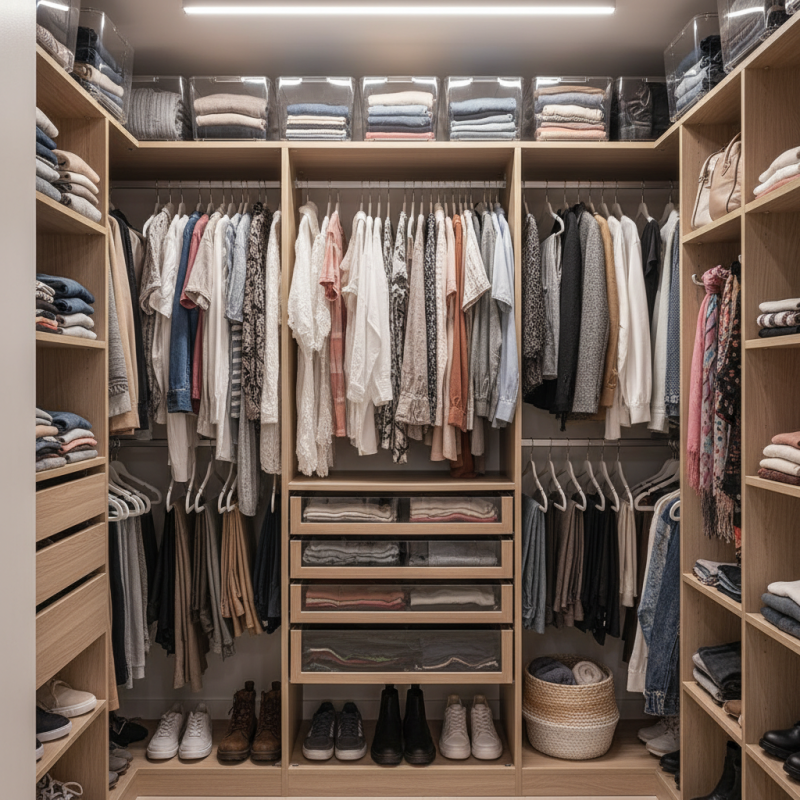
How to Organize a Small Closet with Too Many Clothes?

Assessing Your Closet Space and Current Inventory

Assessing your closet space and current inventory is essential for effective organization. Start by emptying your closet completely. Lay everything out on your bed or the floor. This allows you to see all your clothes at once. It can be shocking to realize how many items you own. Many people feel overwhelmed after this step, but it is crucial for understanding your wardrobe.

Next, categorize your clothing into groups. Separate items by type: shirts, pants, and dresses. Take time to evaluate each piece. Ask yourself if you wear it regularly or if it fits your style. A little honesty goes a long way here. Consider creating a 'maybe' pile for clothes you are unsure about. Reflecting on your choices helps you identify what truly adds value to your wardrobe.

Finally, measure your closet space. Knowing your dimensions will help you utilize every inch efficiently. Consider vertical storage solutions if space is tight. Sometimes, a shift in perspective is necessary. If you see empty spots, think about what items can maximize that space. In the end, a well-organized closet reflects your style and makes dressing easier. It may take time, but the process is valuable.

Deciding What to Keep, Donate, or Discard

Deciding what to keep, donate, or discard can feel overwhelming. Start by assessing each item in your closet. Ask yourself if you’ve worn it in the past year. If not, it's time to let it go. Consider its condition, style, and whether it still fits you. This honest evaluation allows for better decision-making.

When deciding what to donate, remember to choose pieces in good shape. Items that are stained or damaged may not be accepted. Think about your local charities or shelters. Giving away clothes that no longer serve you can bring joy to someone else. It's a win-win situation that also clears space.

Discarding can be hard, but it's necessary. If something holds sentimental value, consider if it truly brings you happiness. If not, it might be time to say goodbye. Reflect on how much storage space you need. Realizing what you keep impacts your everyday life can motivate you to make tougher choices. It’s a journey worth taking.

Maximizing Vertical Space with Shelving Solutions

When tackling a small closet overflowing with clothes, maximizing vertical space is essential. Shelving solutions can transform your closet into a more organized and functional space. Wall-mounted shelves are a fantastic option. They keep items off the floor and allow for easy visibility of your wardrobe. You can install them at varying heights to accommodate different types of clothing and accessories.

Consider using stackable bins or baskets on these shelves. Labeling each bin will streamline your morning routine. You might find it useful to separate seasonal items. With this method, you’ll clear out items you rarely wear. You may realize some clothes you’ve forgotten about. This can provide a fresh perspective on your wardrobe.

Another great approach is to use hanging organizers for shoes and accessories. They make everything easily accessible while utilizing the often-overlooked space on the back of the door. Each item will have its designated spot. However, don’t forget to declutter. Regularly review your collection. Perhaps some pieces no longer serve you. Reflecting on what you truly need is key to maintaining your organized closet.

Utilizing Storage Bins and Organizers for Small Items

Organizing a small closet can be a daunting task, especially when you have too many clothes. Utilizing storage bins and organizers can make a significant difference. According to a study by the National Association of Professional Organizers, 80% of the clutter in our homes is a result of not having a designated storage system. Integrating effective storage solutions helps maximize every inch of closet space.

When it comes to small items, storage bins are key. Clear bins allow you to quickly identify contents. Label each bin for easy access. Consider using drawer organizers inside your closet for accessories like belts, ties, and jewelry. Small dividers help keep these items from tangling together.

Tip: Regularly assess your closet. If you haven't worn something in a year, it might be time to let it go. This strategy not only clears space but also helps you focus on what you truly love and wear. A well-organized closet can increase your efficiency, saving you around 20 minutes each day spent searching for lost items. Embrace the thought of imperfection; no system is flawless. The goal is to find what works best for you and your space.

Implementing a Seasonal Rotation for Clothing Management

A seasonal rotation can transform your small closet. Start by sorting clothes into four categories: winter, spring, summer, and fall. This method minimizes clutter and ensures you wear your favorites. Create space by removing off-season items. Consider storage bins or vacuum-sealed bags. Storing them away helps manage wardrobe overflow.

Label the bins for easy access. This makes finding seasonal outfits a breeze. Each season, reassess your clothing. Are there items you haven’t worn for over a year? Perhaps it’s time to donate or sell them. This can be difficult but think of the space you’ll gain. Reflect on your style choices to avoid future clutter.

After rotating, embrace your new organization. Keep the seasonal clothes on hangers in your closet. This keeps them easily accessible. Make use of the top shelves for infrequently worn items. However, be aware of potential impulses to buy more. Mindful shopping is key. Regularly evaluate your wardrobe to maintain a functional space.

Seasonal Rotation of Clothing Items in a Small Closet

FAQS

: Why is it important to assess my closet space?

: Assessing closet space helps you understand your inventory and utilize space efficiently. Emptying it allows for a clear overview.

How should I categorize my clothing?

Group items by type, like shirts and pants. Take time to evaluate each piece honestly to see what you truly wear.

What should I do with clothing I’m unsure about?

Create a 'maybe' pile for uncertain items. Reflecting on your choices can help clarify what adds value to your wardrobe.

How can storage bins help in organizing small items?

Storage bins keep small items organized. Clear bins allow for quick identification, and labeling ensures easy access when needed.

What’s a good strategy for assessing unused clothing?

Regularly evaluate what you haven’t worn in a year. Letting go of these items clears space and helps focus on favorites.

How can I implement a seasonal rotation for my clothes?

Sort clothes into seasonal categories. Store off-season items in labeled bins to minimize clutter and maximize closet space.

What is a challenge of maintaining an organized closet?

It may be tempting to buy more clothes. Mindful shopping helps prevent future clutter and maintains a functional space.

How often should I reassess my wardrobe?

Regular assessments, especially with seasonal changes, help keep your closet organized and ensure you are wearing what you love.

What should I do with off-season clothes?

Store off-season clothes in bins or vacuum-sealed bags. This creates space in your closet during the current season.

What’s the goal of closet organization?

The goal is to find a setup that works for you. Embrace imperfection, and adjust as needed for better organization.

Conclusion

Organizing a small closet with a lot of clothes can be a daunting task, but with a structured approach, it becomes manageable. Start by assessing your closet space and current inventory; this helps you understand what you have and what you need. Next, decide what to keep, donate, or discard based on usage and necessity. This decluttering process is crucial for creating space.

To maximize storage, consider incorporating shelving solutions that utilize vertical space effectively. Use storage bins and organizers for small items to keep everything tidy and accessible. Finally, implementing a seasonal rotation can help manage your clothing more efficiently, ensuring you always have suitable options available while keeping the closet organized. By following these steps, you will find that organizing a small closet with a lot of clothes is not only achievable but can lead to a more streamlined and enjoyable experience.

Madeline

Madeline

Madeline is a dedicated marketing professional with a wealth of expertise in our company's core offerings. With a keen understanding of the industry, she brings a unique perspective to her role, consistently delivering high-quality content that highlights the superior aspects of our products. As......