What Is a Budget Friendly Way to Organize a Nursery Closet?

Time:2026-09-15 Author:Mason
0%

A nursery closet can feel expensive before you buy anything. Tiny clothes, spare blankets, diapers, and changing supplies quickly compete for limited space. Learning how to organize a nursery closet on a budget begins with using what you already own. Empty the closet completely. Then place every item on the floor, where forgotten duplicates become visible.

Professional organizer Marie Kondo offers a useful reminder: “The objective of cleaning is not just to clean, but to feel happiness living within that environment.” Her idea fits a nursery especially well. Keep the soft sleepers, useful swaddles, and daily essentials within easy reach. Store larger sizes in labeled cardboard boxes, fabric bags, or clean drawers. Reuse shoeboxes for socks, bibs, and medical-care items. No fancy containers are required.

Safety still matters more than appearance. Keep heavy objects low and secure unstable shelving. Place small items away from babies who may eventually reach upward. A simple label such as “0–3 months” can save time during a midnight change. Leave a little empty space. It helps.

This approach is practical, but it is not perfect. Some families may keep too many sentimental outfits, even when the closet is full. That is normal. Review the space every few months as your baby grows. Donate or store outgrown clothing only when you feel ready. The goal is not a picture-perfect closet. It is a calm, affordable system that supports real parenting, including rushed mornings and laundry waiting on the chair.
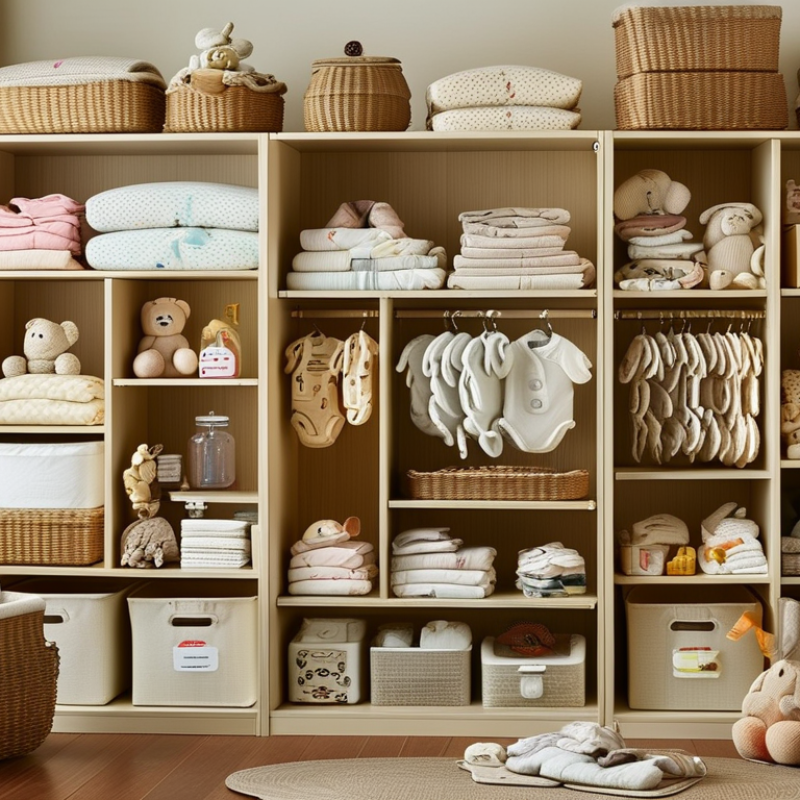
What Is a Budget Friendly Way to Organize a Nursery Closet?

Assess the Nursery Closet’s Space, Storage Needs, and Available Budget

A budget-friendly nursery closet starts with measurement, not shopping.
Record width, depth, height, door swing, and usable floor space. Leave access to electrical outlets and heating vents. The National Association of Home Builders’ 2024 report found that 86% of buyers consider a laundry room essential or desirable. That preference reflects a wider need for practical household storage. A nursery closet should support daily routines, not display every baby item.

Separate needs into three groups: daily clothes, weekly supplies, and future sizes. Use existing shelves for folded garments. Add low-cost fabric bins for diapers, blankets, and feeding supplies.
Vertical space can hold seasonal items, but heavy objects belong low. The U.S. Consumer Product Safety Commission reported about 22,000 furniture tip-over injuries among children under six each year from 2018 to 2020.

Secure freestanding drawers and keep climbable storage away from the crib. Safety changes the budget.

Tips:
Measure twice. Buy slowly. Use labels and one empty bin for returns. Set a firm spending limit before adding accessories. A simple cost plan might allocate 50% to essential containers, 30% to safety hardware, and 20% to adjustments. My first layout was too ambitious. It looked tidy, but the changing supplies were inconveniently high. Real use exposed the mistake. Reassess after one week, then remove anything that blocks quick access.

Choose Affordable Organizers for Clothes, Accessories, and Baby Supplies

What Is a Budget Friendly Way to Organize a Nursery Closet?

Choose Affordable Organizers for Clothes, Accessories, and Baby Supplies

Start by measuring the closet shelves, floor space, and hanging area. Measure before buying. Affordable fabric bins can hold folded onesies, sleepwear, and spare blankets without wasting vertical space. Use one bin for each clothing size, then place current sizes at eye level. Clear containers work well for socks, bibs, and small accessories because you can see their contents quickly. Keep it simple.

For baby supplies, reuse sturdy boxes or inexpensive open baskets. Store diapers, wipes, creams, and burp cloths in separate sections. A shallow basket near the changing area can hold daily items, while less-used supplies stay higher up. Avoid placing heavy containers above the crib or changing surface. Safety matters more than perfect styling. Keep cords, plastic bags, and loose small items away from children.

I once sorted clothes by color, but finding the right size became slower. Size labels proved more useful than a neat color system. Paper labels cost little and can be changed as your baby grows. An over-door organizer can hold hair accessories, washcloths, or feeding tools, but crowded pockets become frustrating quickly. Leave some empty space. Small wins matter. Review the closet every few weeks, especially after laundry days. Some organizers may not fit your shelves well, so test one inexpensive piece before buying several.

Create Practical Zones for Everyday Items, Seasonal Wear, and Keepsakes

A budget-friendly nursery closet works best when every item has a clear zone. Divide the space into everyday clothing, seasonal wear, and keepsakes. Use washable bins, reused boxes, or simple fabric bags to create boundaries. Keep daily outfits between waist and eye level. Place diapers, bibs, and sleepwear within easy reach. A small basket near the door can hold clothing that no longer fits.

Seasonal items need less accessible space. Store winter layers or summer clothes on the highest shelf, but label each container clearly. Keepsakes deserve separate handling. Fold special blankets, hospital cards, and tiny shoes in a clean, dry box. Add a dated note so the memory remains easy to identify later. Heavy containers should stay low to reduce falling risks. My first arrangement looked neat but was inconvenient. I moved the most-used items twice before finding a workable layout.

Tips: Measure the closet before buying organizers. Empty cereal boxes can become temporary dividers. Use one color label for each zone. Leave some empty space for growth. Avoid packing clothes tightly, because air circulation helps prevent musty odors. Review the closet every few months. A “keep” decision can change. That is normal. Keep sentimental items limited to one dedicated container, or the keepsake zone may quietly take over.

Budget-Friendly Nursery Closet Organization

Suggested storage allocation for creating practical zones: everyday items, seasonal wear, and keepsakes.

Keep frequently used clothing and supplies at reachable heights, place seasonal items in labeled containers, and reserve the smallest zone for keepsakes.

Label and Arrange Closet Contents for Safe, Easy Access

A budget-friendly nursery closet needs clear labels more than expensive containers. Use recycled boxes, washable fabric bags, or sturdy paper cartons. Keep everyday clothes between adult waist and shoulder height. Store blankets, spare diapers, and seasonal items on higher shelves. Heavy objects belong low.

The U.S. Consumer Product Safety Commission estimated an annual average of about 22,000 children under five received emergency treatment for furniture tip-over injuries from 2018 to 2020. A closet can create similar risks when children climb or pull heavy bins. Anchor unstable shelving, avoid loose cords, and keep small objects away from curious hands.

The American Academy of Pediatrics also advises keeping the sleep area free from loose blankets and soft items.

Label each container with large words and simple pictures. “Sleepwear,” “Socks,” and “First Aid” work better than vague labels. I once grouped clothes by color, but that looked neat and slowed rushed mornings.

Tips: Place the most-used items near the front. Use one label per category. Check labels monthly. Remove outgrown clothing quickly. Keep medicines, creams, and cleaning products locked away. Leave a little empty space, because an overfilled closet becomes difficult to inspect. It may not look perfect, but safer access matters more than appearance.

Review the System Regularly as the Baby’s Needs and Wardrobe Change

What Is a Budget Friendly Way to Organize a Nursery Closet?

A practical nursery closet can begin with low-cost bins, reused boxes, and adjustable shelf dividers. Group clothing by size, not just by type. Keep current outfits at eye level, while larger sizes stay higher. I also leave one empty section for unexpected gifts or seasonal items. This prevents the closet from becoming packed too quickly. Clear labels help caregivers find clothing during rushed nighttime changes. Simple systems work best.

Tips: Review the closet every two or three weeks. Remove clothes that no longer fit, including tight socks and short sleeves. Place them in a labeled storage bag for later decisions. Keep three small areas: current wear, next size, and unsuitable items. A washable label is useful when several adults share childcare. Do not overfill containers. Babies need frequent changes, but they do not need every outfit nearby.

A baby’s wardrobe can change faster than expected. Growth spurts, weather, feeding habits, and laundry routines all affect storage needs. When reviewing the system, notice what you actually reach for. Move those items forward. If a drawer remains untouched, its contents may not belong there. I once stored too many “special” outfits and lost space for daily clothes. That was inefficient. Leave room to adjust, because the perfect layout may not last. Recheck the closet after illness, travel, or a new season.

What Is a Budget-Friendly Way to Organize a Nursery Closet? — Review the System Regularly as the Baby’s Needs and Wardrobe Change

Closet Zone Recommended Items Estimated Cost Organization Method Review Frequency Action as Needs Change
Daily Clothing 6–8 bodysuits, 4–6 sleepers, 2–3 outfits $0–$8 Use existing drawers or low-cost fabric bins; place the most-used items at the front. Weekly Remove stained, tight, or rarely used clothing and refill only what fits the current routine.
Size Sections Newborn, 0–3 months, 3–6 months, and larger sizes $0–$5 Create dividers from recycled cardboard or use labeled envelopes and bins. Every 2–4 weeks Move the next size forward when sleeves or waistbands begin to feel snug.
Hanging Items Jackets, dresses, special outfits, and seasonal layers $0–$10 Group clothing by size and type; use one hanger per outfit when practical. Monthly Store out-of-season pieces in a labeled container and keep only current layers accessible.
Accessories Socks, hats, bibs, mittens, and hair accessories $0–$6 Separate small items with drawer cups, reused food containers, or small pouches. Weekly Pair socks, discard damaged pieces, and reduce quantities when items are no longer used.
Hand-Me-Downs Clothing that is too large or awaiting another child $2–$8 Use sturdy storage bags or lidded boxes; label size, season, and condition. Every 2–3 months Donate or pass along items that no longer fit, suit the season, or meet safety needs.
Laundry Return Area Clean clothing waiting to be folded or hung $0–$12 Reserve one basket or shelf so clean items do not mix with worn clothing. Each laundry day Adjust the basket size if laundry accumulates or the child’s clothing volume increases.
Safety and Accessibility Frequently used clothes, empty floor space, and secure storage $0–$15 Keep heavy items low, avoid overloaded rods, and place daily essentials within the caregiver’s reach. Monthly Reposition storage as the baby becomes more mobile and remove climbable or unstable items.
Budget guideline: A nursery closet can usually be organized with approximately $0–$64 by reusing household containers, separating clothing by current size, and reviewing the system regularly instead of buying storage items all at once.

FAQS

How can I organize a nursery closet on a small budget?

Use reused boxes, washable bags, and empty cereal cartons as temporary dividers. Keep spending low. Create zones for current clothes, future sizes, and unsuitable items.

Where should I place the clothes used every day?

Keep daily outfits between waist and eye level for quick access. Place diapers, bibs, socks, and sleepwear nearby. Nighttime changes become easier.

How should I arrange clothes by size?

Store current sizes at the front and next sizes behind or above them. Label each section clearly. Leave one empty area for growth.

What labels work best for a nursery closet?

Use large words and simple pictures, such as “Socks” or “Sleepwear.” Choose one color for each zone. Vague labels slow busy mornings.

Where should seasonal clothing and heavy containers go?

Place seasonal clothing on higher shelves in clearly labeled containers. Keep heavy boxes low to reduce falling risks. Never overload upper shelves.

How can I store sentimental baby items safely?

Keep special blankets, cards, and tiny shoes in one clean, dry box. Add a date note inside. One keepsake box may be enough.

How often should I review the closet?

Check it every two or three weeks, especially after growth spurts or new seasons. Remove tight socks and short sleeves quickly. Needs change.

How can I make the closet safer?

Anchor unstable shelves and remove loose cords. Keep medicines, creams, and cleaners locked away. Store small objects beyond curious hands. Safety matters more than perfect appearance.

What should I do when the closet becomes crowded?

Move outgrown clothes into a labeled storage bag for later decisions. Remove untouched items from prime space. My first layout looked neat but worked poorly. A perfect system may not last.

Conclusion

How to organize a nursery closet on a budget begins with assessing the available space, your baby’s current storage needs, and the amount you can comfortably spend. Measure shelves, hanging areas, and floor space before choosing affordable organizers such as fabric bins, adjustable dividers, slim hangers, and small containers. Prioritize versatile items that can be reused as your child grows, and avoid buying more storage than the closet can safely hold.

Create practical zones for everyday clothing, accessories, diapers, blankets, seasonal items, and keepsakes. Place frequently used supplies at an easy-to-reach height, while storing less-needed or sentimental items higher up and securely. Use simple labels to identify each category and arrange clothing by type or size so it is easy to find. Review the closet every few months, removing outgrown items and adjusting the layout as your baby’s wardrobe and daily routines change. This keeps the nursery organized, functional, and budget-friendly over time.

Mason

Mason

Mason is a seasoned marketing professional with a deep expertise in the company's offerings and a passion for driving brand awareness. With a strong background in digital marketing strategies, he has an innate ability to connect with diverse audiences and effectively communicate product benefits.......