Vacuum seal bags have transformed food storage and preservation. The growing demand for longevity in food items has led many consumers to ask, "What are the benefits of using vacuum seal bags?" Recent industry reports indicate that switching to vacuum sealing can extend food shelf life by up to five times. This is particularly relevant as food waste was estimated to be around 1.3 billion tons globally in 2020, according to the FAO.
Utilizing vacuum seal bags not only reduces waste but also maintains flavors and nutrients effectively. Experts suggest that the absence of air in these bags prevents oxidation, which can spoil food quickly. However, many people still overlook this innovative solution, leading to unnecessary waste. Critically, while the upfront investment in vacuum technology may be viewed as a drawback, the long-term savings and benefits are significant.
In addition to preserving food, vacuum seal bags offer convenience for meal prepping. Busy lifestyles often lead to spontaneous food choices, increasing reliance on takeout. With a dependable vacuum sealing method, organizing meals becomes simpler. Still, some consumers worry about the cost of the devices. They must consider this against the increased food shelf-life and reduced waste that vacuum sealing brings. Ultimately, understanding these benefits is crucial for informed choices in food storage.
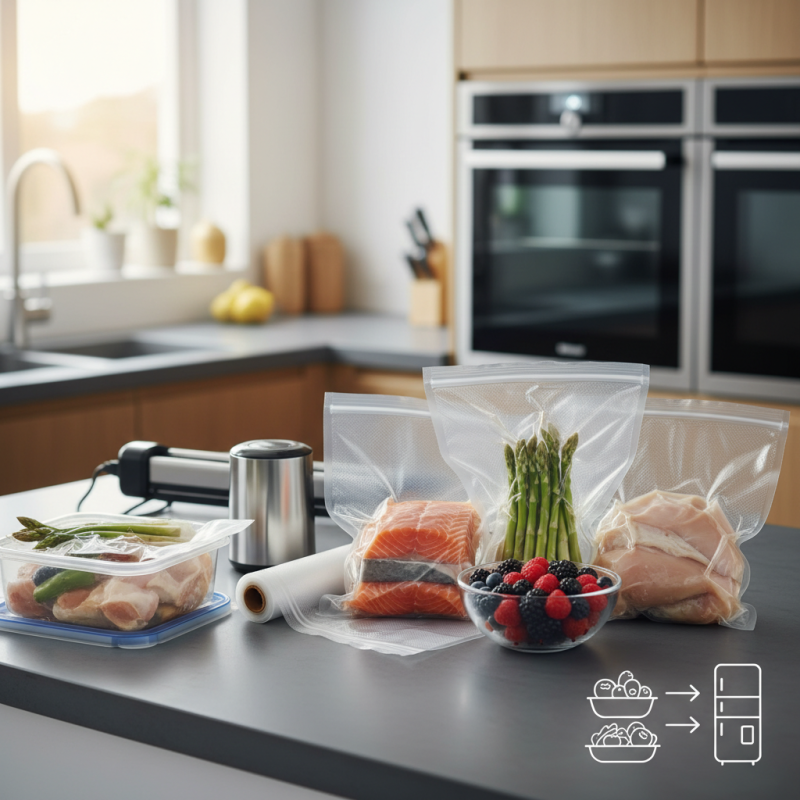
Benefits of Vacuum Seal Bags for Preserving Food Freshness
Vacuum seal bags are a game-changer for preserving food freshness. They significantly reduce air exposure, leading to less oxidation. This keeps fruits and vegetables vibrant and crisp. Foods like meat and fish maintain their texture, reducing the risk of freezer burn. Seal in flavors and juices, elevating the overall taste of meals.
Using these bags also minimizes food waste. With vacuum sealing, foods last longer. You're less likely to toss out spoiled items. It’s satisfying to open a bag of fresh, preserved food. However, some may find the initial investment in a vacuum sealer excessive. For those on tight budgets, this can be a barrier.
Additionally, vacuum sealing can create a sense of organization in your kitchen. Neatly stored bags save space compared to bulky containers. Yet, it requires effort to properly seal items, and it can be frustrating when the machine doesn't perform as expected. Embracing this method means being ready to learn. With patience, the benefits will outweigh the challenges.
Reducing Food Waste Through Vacuum Sealing Techniques
Vacuum sealing is a game-changer in reducing food waste. According to the USDA, about 30-40% of the food supply in the United States is wasted each year. Vacuum seal bags can significantly extend food’s shelf life. By removing air, the growth of bacteria and mold slows down. Studies show that vacuum-sealed food can last up to five times longer than conventional storage methods. This means fewer trips to the grocery store and less spoilage at home.
Many households underestimate the impact of proper food storage. People often throw away food due to freezer burn or spoilage, not realizing that vacuum sealing can prevent this. Regular storage can allow up to 20% moisture loss, while vacuum-sealed bags keep food hydrated longer. Additionally, based on data by the Food Waste Reduction Alliance, preventing waste at the consumer level could save nearly $240 billion annually in the U.S. alone.
However, it's crucial to acknowledge potential challenges. Not all foods seal well; certain items, like soft fruits, may require special handling. Users must ensure bags are sealed properly to maximize effectiveness. Despite these considerations, the benefits of using vacuum seal bags clearly outweigh the drawbacks.
Economical Aspects of Using Vacuum Seal Bags for Food Storage
Vacuum seal bags offer a practical solution for food storage, particularly from an economical perspective. They significantly extend the shelf life of food, reducing waste. When you seal foods in these bags, you can keep leftovers fresh much longer. This means less frequent grocery trips. You save money by making the most of your purchases. Planning meals becomes easier, and you minimize spontaneous buys that can lead to unnecessary expenses.
Moreover, vacuum sealing allows for bulk buying. You can purchase larger quantities of meats or vegetables. By dividing them into portions and sealing them, you maintain freshness and prevent spoilage. This practice not only saves money but also cuts down on packaging waste. It can feel overwhelming at first to adapt to this process, but over time, you'll notice clearer savings and reduced food costs.
However, proper sealing and storage are crucial. If not done correctly, food may spoil faster than expected. Investing time in learning correct sealing techniques benefits your wallet and the environment. While the initial costs of vacuum seal bags might seem daunting, they often pay off. The longevity of your food translates into reduced grocery expenditures, a factor worth considering in budget planning.
Enhancing Flavor and Texture with Vacuum Sealed Foods
Vacuum sealing food not only extends its shelf life but also enhances flavor and texture significantly. According to a study by the USDA, vacuum-sealed foods can retain 50% more moisture compared to traditional storage methods. This increased moisture retention helps preserve the food’s natural flavors, making meals more enjoyable.
Vacuum seal bags minimize oxidation, which kills flavor and quality. Research indicates that vacuum-sealed meats can maintain their taste for up to three years, while in regular packaging, they may only last months. Moreover, by removing air, vacuum sealing helps prevent freezer burn. This is crucial for items like fish and poultry, which can suffer greatly from freezer damage, resulting in a dried-out texture.
While vacuum sealing offers numerous advantages, users must be careful. Improper sealing can lead to bacteria growth. The FDA recommends ensuring that bags are sealed properly, as any air left can compromise quality. The benefits are clear, yet attention to detail is necessary for optimal results.
Simplifying Meal Prep and Portion Control with Vacuum Sealing
Vacuum sealing simplifies meal prep and portion control significantly. According to a report by the Food Safety and Inspection Service, vacuum-sealed food can last up to five times longer than food stored in traditional methods. This means less food waste and more convenience. A family can easily prep ingredients for the week, avoiding last-minute grocery runs.
Portion control is another critical benefit. A study from the Journal of Nutrition found that people who vacuum seal their meals are 50% more likely to stick to their portion sizes. This helps maintain healthy eating habits. If someone struggles with overeating, preparing pre-portioned meals in vacuum-sealed bags can be a game-changer.
There are considerations too. Ensuring proper sealing is essential. If a bag isn’t sealed tightly, air can seep in, leading to spoilage. Also, not all foods are suitable for vacuum sealing. Soft fruits and delicate items might become mushy. Understanding these limitations is key to effective meal prep. Experimenting can lead to better results over time.
10 Benefits of Using Vacuum Seal Bags for Food Storage
This chart illustrates the various benefits of using vacuum seal bags for food storage, including reduced food waste, extended shelf life, and enhanced flavor preservation. Each benefit is represented as a percentage based on their popularity and effectiveness in meal preparation and portion control.
FAQS
: Vacuum seal bags reduce air exposure, preserving food freshness and reducing oxidation.
They help retain moisture and minimize freezer burn, enhancing the flavor and texture of meals.
Yes, vacuum sealing extends shelf life, which means less spoiled food and fewer trips to the store.
Some may find the initial investment in a vacuum sealer excessive or challenging to use effectively.
It allows for bulk buying and reduces grocery costs by extending food life and minimizing waste.
Proper sealing is crucial; improper methods can lead to food spoiling faster and bacteria growth.
Vacuum-sealed meats can last up to three years, much longer than regular packaging.
Any air can compromise food quality, leading to spoilage and potential bacteria growth.
It can be overwhelming at first, but with practice, the benefits often outweigh the initial challenges.
They help reduce packaging waste and food waste, benefiting both your wallet and the environment.
Conclusion
What are the benefits of using vacuum seal bags? These storage solutions offer numerous advantages that enhance food preservation and sustainability. Firstly, vacuum seal bags significantly extend the freshness of food by reducing exposure to air, which helps to minimize spoilage and nutrient loss. This leads to a reduction in food waste, as sealed items can be stored for longer periods without degradation.
Additionally, using vacuum seal bags proves to be an economical choice, allowing consumers to buy in bulk and store portions efficiently. The technique simplifies meal prep and supports portion control, making it easier to manage food intake and reduce cooking time. Moreover, the vacuum sealing process enhances the flavor and texture of foods by preventing freezer burn and allowing marinades to penetrate better. Overall, utilizing vacuum seal bags in food storage provides both practical and economic benefits for any kitchen.

 URneat Furnish